

3. March 2026
How Waterproof Socks Work: The Complete Guide
Waterproof socks are widely used by trail runners, hikers, and cyclists in wet environments. During long-distance events such as ultra-trail races, they help prevent constant water saturation and maintain foot comfort over many hours of exposure. However, waterproof socks are often misunderstood.
To understand why waterproof socks behave differently from ordinary socks, it helps to first understand what they are and how they are built.
What Are Waterproof Socks and How Do They Work?
Waterproof socks are multi-layer performance socks designed to block external water while allowing moisture vapor from sweat to escape. Most waterproof socks use a three-layer construction consisting of a durable outer knit, a waterproof breathable membrane, and a moisture-managing inner liner.
They are not designed to keep feet perfectly dry in every situation, but rather to prevent external water from constantly entering the footwear system during wet outdoor activity.
How Waterproof Socks Actually Work [The Three-Layer Construction]
A three-layer construction blocks rain and mud from entering while allowing moisture from sweat to escape. The outer knit protects the membrane, the waterproof layer keeps water out, and the inner liner manages comfort and moisture.
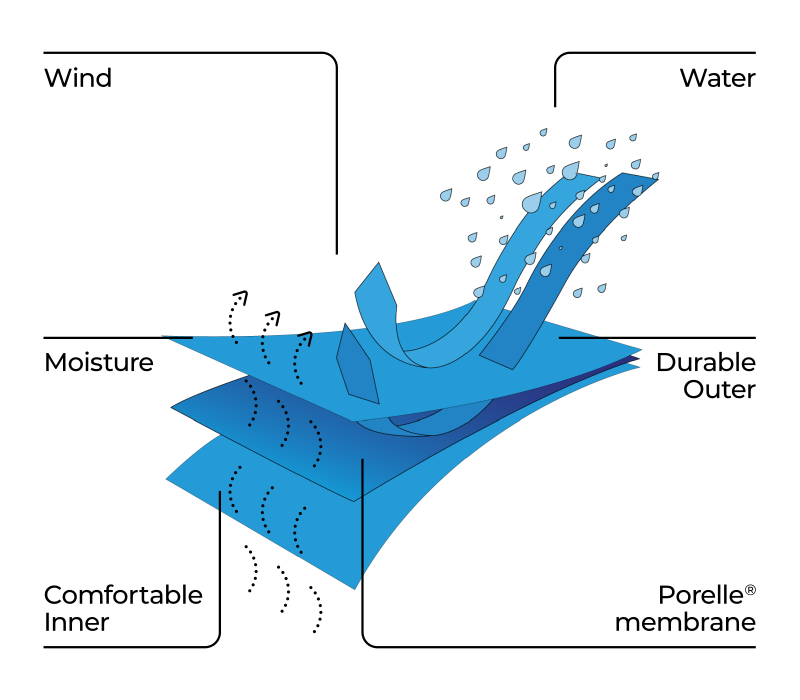
Durable Outer Knit – Protection and stretch
- Abrasion-resistant knit exterior
- Protects the waterproof membrane from wear
- Provides flexibility and durability
- Designed to move naturally with the foot
Typical materials may include nylon blends engineered for durability in harsh outdoor environments.
Waterproof Breathable Membrane – Stop external water while allowing vapor to escape
- Block liquid water (rain, mud, puddles)
- Allow water vapor from sweat to escape
This layer is what separates waterproof socks from ordinary socks.
Moisture-Managing Inner Liner – Comfort and moisture distribution
- Moisture absorption
- Temperature regulation
- Reducing friction & blister risk
High-performance waterproof socks often use materials such as merino wool or moisture-wicking fibers to improve comfort during long outdoor activities.
The Biggest Misunderstanding About Waterproof Socks
The most common misunderstanding about waterproof socks is the expectation that they will keep your feet completely dry in all situations. In reality, waterproof socks are designed to prevent external water – such as rain, mud, and puddles – from entering the sock, while allowing moisture vapor from sweat to escape through a breathable membrane.
During intense activity, however, your feet naturally produce perspiration. If this moisture builds up faster than it can evaporate, the inside of the sock may feel damp even though no external water has penetrated the waterproof barrier. In other words, waterproof socks protect against outside water, but they cannot eliminate moisture generated by the body itself.
Why Waterproof Socks Sometimes Feel Wet

Waterproof socks are designed to block external water – such as rain, mud, and puddles – while allowing moisture vapor from sweat to escape through a breathable membrane. However, during intense or prolonged activity, your feet naturally produce moisture faster than it can evaporate, especially inside enclosed footwear like running shoes or hiking boots. This can cause the interior of the sock to feel damp even though no external water has penetrated the waterproof barrier.
In other words, waterproof socks protect against outside water, but they cannot eliminate perspiration created by the body. When used in wet conditions, the key benefit is maintaining a stable, warmer microclimate around the foot, preventing the constant influx of cold water that would occur with regular socks. This is why waterproof socks often feel more comfortable in cold, wet environments – even when some internal moisture is present.
Why Waterproof Socks Often Receive “Leak Complaints”
Waterproof socks tend to receive more “leak complaints” than waterproof jackets or gloves, even when the waterproof membrane is functioning correctly. The main reason is that socks operate in one of the most demanding environments in the entire outdoor gear system: inside a shoe during physical activity.
First, feet naturally produce a significant amount of perspiration. During running, hiking, or cycling, each foot can generate a considerable amount of sweat, especially over long distances. If this moisture accumulates faster than it can evaporate through the breathable membrane, the interior of the sock may feel damp, leading users to believe that water has entered from outside.
Second, waterproof socks are worn inside enclosed footwear such as trail shoes or hiking boots. This restricts airflow and limits the membrane’s ability to release moisture vapor effectively. In contrast, waterproof jackets and gloves are exposed to open air, allowing moisture to escape more easily.
Third, high pressure during movement compresses the waterproof membrane with every step. This reduces breathability and slows the transfer of moisture vapor, making internal moisture more noticeable.
Finally, water can sometimes enter from the top of the sock during heavy rain, puddle splashes, or creek crossings. When this happens, water becomes trapped inside the waterproof barrier, which may be mistaken for a membrane failure.
For these reasons, what many users interpret as “leaking” is often internal moisture buildup or water entering from the cuff, rather than water penetrating through the waterproof membrane itself.
The 3 Biggest Engineering Challenges in Waterproof Sock Design
Designing a waterproof sock is far more complex than simply adding a waterproof membrane to a normal sock. A well-performing waterproof sock must simultaneously provide waterproof protection, breathability, durability, and comfort, all while operating inside a shoe under constant pressure and movement. Achieving this balance presents several key engineering challenges.
Stretch Compatibility Between Layers
In waterproof sock design, maintaining stretch compatibility between layers is one of the most difficult engineering challenges in multilayer textile construction. Through years of product development and field testing, we have observed that even small differences in material elasticity can affect durability and long-term waterproof performance.
If the outer knit stretches more than the membrane during running or hiking, the membrane may experience repeated stress that gradually weakens the waterproof barrier. Advanced designs aim to ensure that all layers move in harmony, reducing membrane fatigue while improving durability and comfort during activity.

Moisture Management Inside the Sock
Even with a breathable membrane, the foot can generate significant moisture during exercise. The inner liner therefore plays a crucial role in managing perspiration. If the liner cannot absorb and distribute moisture effectively, the interior of the sock may feel clammy or wet. High-performance waterproof socks address this by using materials that help regulate moisture and improve comfort during prolonged activity.
Preventing Water Entry from the Cuff
Another common challenge is preventing water from entering from the top of the sock. During heavy rain, wet vegetation, or puddle splashes, water can run down the leg and enter through the cuff. Once inside, it becomes trapped by the waterproof membrane, which can create the impression that the sock has leaked. Well-designed waterproof socks incorporate improved cuff structures to help reduce water ingress and maintain better protection in wet environments.
Together, these three design factors – layer stretch compatibility, moisture management, and cuff protection – are critical to achieving reliable waterproof performance and long-term comfort in demanding outdoor conditions.

Why Waterproof Socks Often Feel More Comfortable in Cold Wet Conditions
When running, hiking, or cycling in wet environments, the biggest problem is often not moisture itself but the continuous entry of cold water into the shoe. In real outdoor use — particularly during long trail runs or multi-day hiking trips in wet conditions — we have observed that waterproof socks help maintain a more stable foot temperature compared with ordinary socks that quickly become saturated.
With conventional socks, rain, mud, or puddles rapidly soak the fabric, and every step pumps fresh cold water through the material. This constant water exchange quickly cools the foot and increases the risk of discomfort, blisters, and skin irritation.
Waterproof socks work differently. Their membrane blocks external water from repeatedly entering the system. Even if some internal moisture builds up from perspiration, it quickly warms to body temperature and creates a more stable microclimate around the foot. As a result, feet often stay warmer, more comfortable, and better protected than they would in saturated conventional socks.
For this reason, many experienced trail runners, hikers, and cyclists prefer waterproof socks in cold and wet conditions. While the inside may not always remain perfectly dry, the socks help maintain thermal stability and protection from external water — which is what truly matters for comfort during prolonged exposure to wet environments.
When Do Waterproof Socks Perform Best?
Waterproof socks perform best in environments where external water exposure is frequent and unavoidable, particularly in cold or wet outdoor conditions. Their primary advantage is preventing rain, mud, or surface water from continuously entering the shoe, while helping maintain warmth and comfort over long periods of activity.

1. Cold and Rainy Trail Running
In long-distance trail races or winter training runs, runners often encounter heavy rain, muddy trails, and saturated terrain. Waterproof socks help block external water from repeatedly entering the shoe, allowing feet to stay warmer and more comfortable even during prolonged exposure to wet conditions.
2. Wet Grass and Boggy Terrain
In environments such as moorlands, marshes, or alpine grasslands, footwear can quickly become soaked from constant contact with wet vegetation. Waterproof socks prevent water from repeatedly soaking the sock, helping maintain a stable microclimate around the foot.
3. Cold Weather Cycling
Cycling shoes often have ventilation openings and limited insulation, making them vulnerable to rain and road spray. Waterproof socks provide an effective barrier against external water and wind, helping cyclists maintain foot warmth during cold-weather rides.
4. Multi-Day Outdoor Adventures
During activities such as bikepacking, long-distance hiking, or multi-day trail races, maintaining foot health becomes critical. Waterproof socks help protect feet from constant external moisture, reducing the risk of discomfort, blisters, and cold exposure over extended periods.
In these types of conditions – cold, wet, and prolonged exposure to moisture – waterproof socks can significantly improve comfort and protection compared with standard socks that quickly become saturated.
When Are Waterproof Socks Not the Best Choice?
While waterproof socks offer excellent protection in cold and wet environments, they are not ideal for every outdoor condition. In certain situations, breathability and ventilation may be more important than waterproof protection. Understanding when waterproof socks are less suitable helps users choose the right gear for their activity.
1. Hot Weather Running or Hiking
In warm climates or during summer activities, the body produces more sweat and relies on evaporation to stay cool. Waterproof socks, while breathable, cannot ventilate as freely as lightweight running socks. In hot conditions, highly breathable socks may be more comfortable and help prevent overheating.
2. Deep Water Immersion or River Crossings
If water enters above the cuff – such as during deep puddle crossings, river wading, or flooded trails – it can flow into the sock from the top. Because the waterproof membrane prevents water from escaping easily, the trapped water may remain inside until the sock is removed. In these situations, quick-draining footwear and standard socks may perform better.
3. Dry and Well-Ventilated Conditions
During dry-weather hiking, road running, or other activities where the environment is largely dry, the waterproof barrier provides little benefit. Lightweight breathable socks can offer better airflow and comfort when protection from external water is not necessary.
By choosing waterproof socks primarily for cold, wet, and moisture-exposed environments, users can maximize their performance benefits while avoiding situations where ventilation and airflow are more important.
How to Choose the Right Waterproof Socks
Not all waterproof socks are designed for the same activities or conditions. Choosing the right waterproof socks helps maximize comfort, durability, and performance in challenging outdoor conditions.
1. Choose the Right Sock for the Activity
Different activities place different demands on socks. Trail running often benefits from lighter and more flexible construction, while hiking or cycling may require thicker socks for additional cushioning and protection.
2. Match Sock Weight to the Temperature
Lightweight waterproof socks work best in mild conditions or during high-intensity activity, while thicker models provide better insulation for colder environments.
3. Ensure a Proper Fit
Proper fit is essential for comfort and performance. Socks that are too tight may restrict circulation, while loose socks can increase friction and lead to blisters during prolonged activity.
4. Consider Your Environment
Waterproof socks provide the greatest benefit in environments where shoes are frequently exposed to water, such as rain, mud, wet grass, snow, or boggy terrain.
5. Look for Quality Integrated Construction
Well-designed waterproof socks integrate the outer knit, waterproof membrane, and inner liner so that all layers stretch and perform together during movement.
The Waterproof Sock Performance Pyramid: How Waterproof Socks Perform in the Real World
At DexShell, waterproof sock design is based on real-world outdoor use – from trail running and hiking to multi-day bikepacking adventures in wet conditions.

Waterproof performance is not determined by the membrane alone. True performance depends on how all three layers work together. Understanding how waterproof socks actually function helps outdoor users choose the right equipment for demanding environments. For those who regularly train or travel in wet conditions, the right construction and fit can make a significant difference in long-term comfort.